
Obsessive-Compulsive Disorder (OCD) is misunderstood as a simple habit of excessive cleaning or repetitive checking. In reality, it is a serious mental health condition that can affect both children and adults, often interfering with daily life. For families in Delhi and the NCR region, where stress levels are already high due to fast-paced lifestyles, recognizing OCD early can make a major difference in seeking the right treatment and supporting loved ones.
This article explores the early signs of OCD, treatment options, and how families can play an important role in recovery.
What Is OCD?
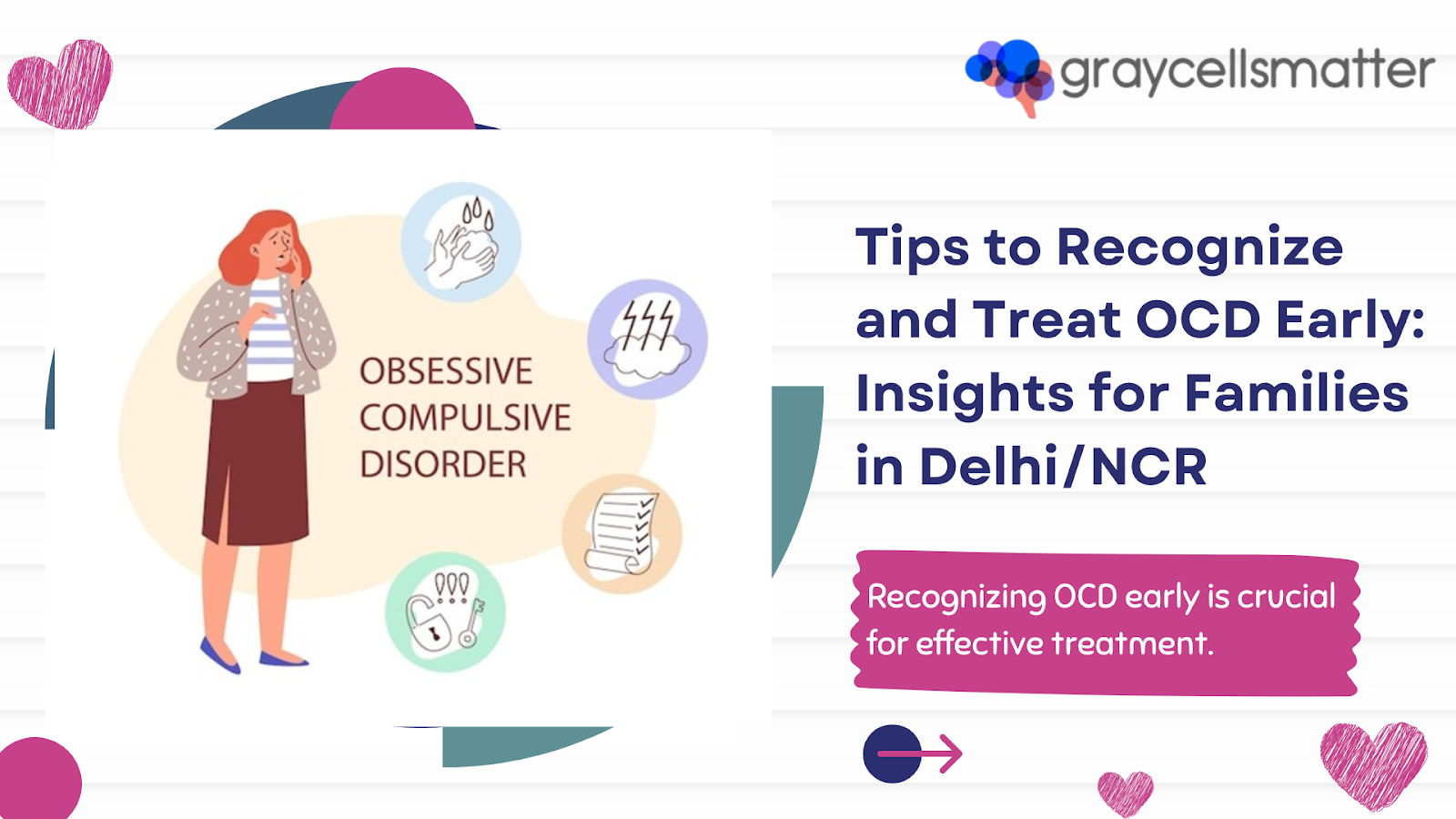
OCD is a mental health disorder characterized by two main components:
- Obsessions: Persistent, unwanted thoughts, images, or urges.
- Compulsions: Repeated behaviours or rituals performed to reduce the anxiety caused by obsessions.
For example, someone might constantly worry about germs (obsession) and repeatedly wash their hands to feel safe (compulsion). While these actions may bring temporary relief, they often reinforce the cycle and make OCD harder to manage without help.
Early Signs of OCD to Watch For
Recognizing OCD early is crucial for effective treatment. Families should pay attention to:
- Excessive Checking: Constantly ensuring doors are locked or appliances are turned off.
- Repetitive Cleaning: Spending hours washing hands, bathing, or cleaning objects.
- Counting or Arranging Rituals: Insisting that items must be arranged in a specific way or repeating actions until they feel “just right.
- Avoidance: Refusing to touch objects, go to certain places, or interact socially due to fear of contamination or harm.
- Distress and Time Consumption: If rituals take up more than an hour daily or cause visible anxiety, it may indicate OCD.
In children, symptoms may appear as extreme perfectionism in schoolwork or unusual fears that interfere with routine life. Parents in Delhi NCR should be especially attentive, as early intervention can help children manage OCD before it worsens.
Why Early Intervention Matters
Delaying treatment often makes OCD harder to manage. According to experts, untreated OCD can lead to:
- Challenges related to academics or work.
- Strained family and social relationships.
- Increased risk of depression or anxiety.
- Diminished overall quality of life.
Seeking professional help at the first signs ensures quicker relief and effective long-term coping strategies.
Treatment Options for OCD
Fortunately, Obsessive-Compulsive Disorder (OCD) is highly treatable. Common treatment approaches include:
1. Cognitive Behaviour Therapy (CBT)
- Specifically, Exposure and Response Prevention (ERP) is the gold standard.
- Patients are gradually confronted with their fears while being guided not to engage in compulsive actions.
- With time, this helps to reduce anxiety and enables them to regain control.\
2. Medication
- Selective serotonin reuptake inhibitors (SSRIs) are often prescribed.
- Medication works best when combined with therapy.
3. Family Therapy
- Families learn how to support the patient without reinforcing compulsive behaviours.
- This is especially helpful in Delhi NCR, where close-knit family structures play a strong role.
4. Self-Care and Lifestyle Changes
- Stress management techniques like relaxation exercises, meditation, and regular physical activity.
- Limiting caffeine and maintaining good sleep hygiene.
Role of Families in Supporting OCD Treatment
OCD does not affect the individual alone—it impacts the entire household. Families can provide crucial support by:
- Educating themselves: Understanding OCD reduces frustration and stigma.
- Avoiding criticism: Shaming or forcing a loved one to stop rituals can worsen anxiety.
- Encouraging therapy: Helping with appointments and being patient during treatment.
- Creating a supportive environment: Practising open conversations without judgment.
In Delhi NCR, where mental health stigma is still common, families who provide understanding and encouragement can make recovery smoother.
OCD Myths and Facts
Several myths about OCD prevent people from seeking timely treatment:
- Myth: OCD is just about being neat and organized.
- Fact: OCD is a serious condition involving distressing thoughts and rituals beyond simple preferences.
- Myth: People with OCD can stop their habits if they want to.
- Fact: OCD is not about willpower; it requires professional treatment and support
- Myth: Children can’t have OCD.
- Fact: OCD often begins in childhood or adolescence, making early recognition essential.
Finding Help in Delhi NCR
Access to mental health professionals has improved in the region. Families can seek:
- OCD treatment in Delhi NCR from psychiatrists and psychologists specializing in CBT.
- Best OCD therapists in Delhi at private clinics and hospitals.
- OCD counseling in Gurgaon for working professionals balancing job stress and personal challenges.
- Mental health clinics in Delhi NCR offer holistic care with therapy and medication.
- Family therapy for OCD in Noida involves parents, spouses, and children in recovery.
Several hospitals, NGOs, and private practitioners across the region provide affordable therapy options.
About Gray Cells Matter
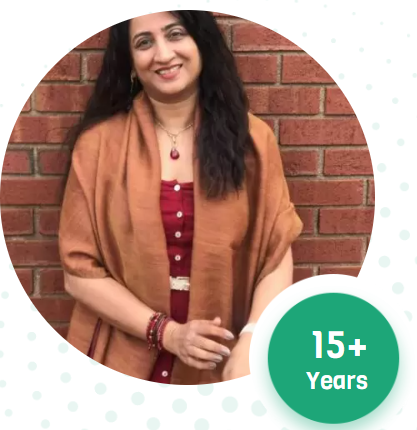
In Delhi/NCR, one trusted name in mental health care is Gray Cells Matter, founded by Aparna Gupta.
- Aparna Gupta is a licensed clinical psychologist with over 15 years of experience in India and abroad.
- She is a certified hypnotherapist and CBT supervisor, trained under Dr. Andrew Beck, NHS, UK.
- Her expertise spans OCD, dementia, addiction, schizophrenia, bipolar disorder, depression, anxiety, phobias, personality disorders, and relationship counseling.
- Aparna is also a licensed special educator, author, and international speaker.
At Gray Cells Matter, families receive personalized treatment plans, combining evidence-based therapies and compassionate care. For those seeking OCD treatment in Delhi NCR, Aparna’s guidance has been life-changing for many.
Conclusion
The early recognition of OCD is the key to better outcomes. Families in Delhi NCR can make a significant difference by learning the signs, seeking professional help, and providing patient, non-judgmental support.
By breaking the stigma and embracing early intervention, families can ensure that their loved ones lead healthier and more fulfilling lives.