
Introduction to Cognitive Behavioral Therapy
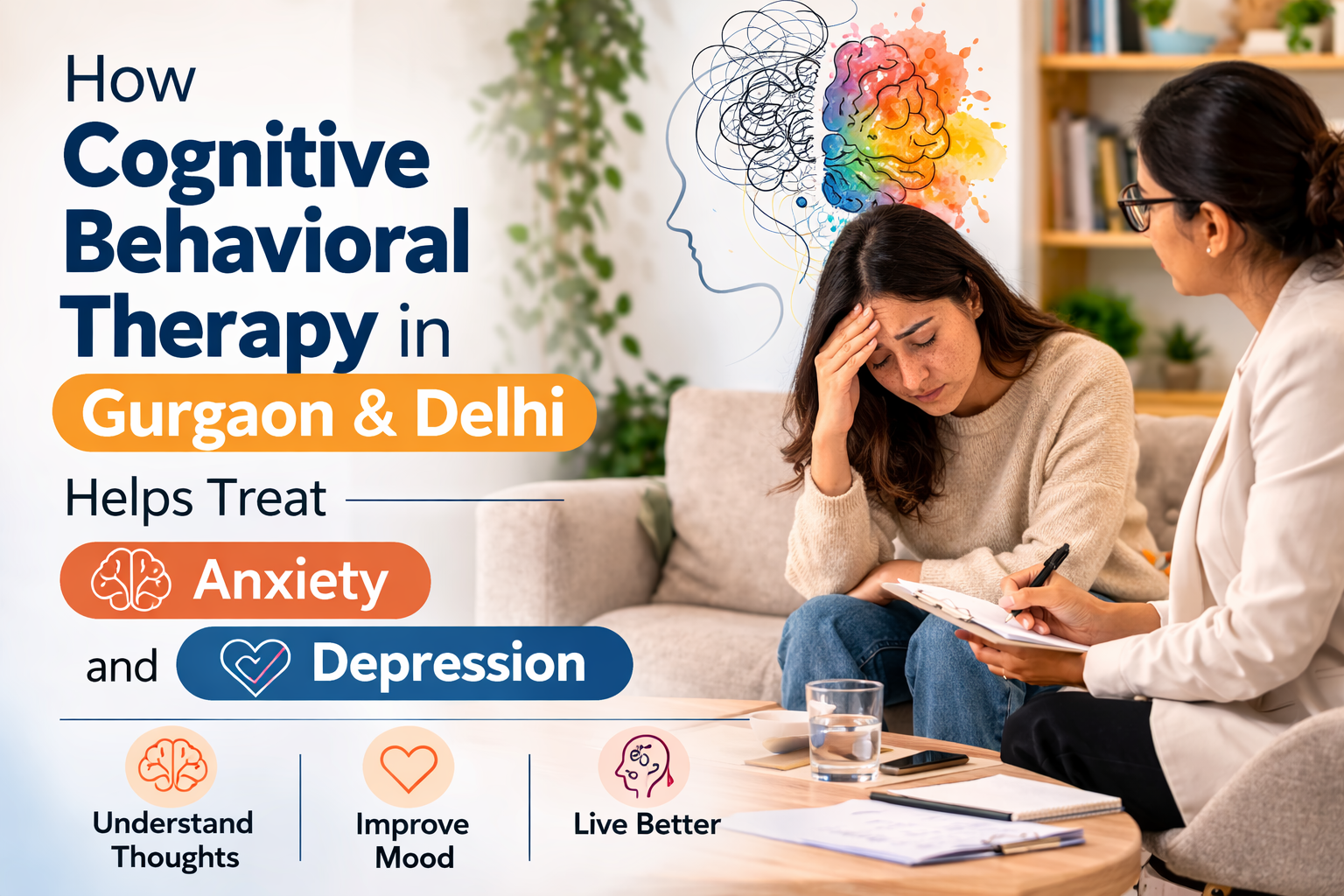
Cognitive behavioral therapy in Gurgaon and Delhi is becoming an important solution for people dealing with anxiety, depression, and daily stress. Mental health plays a major role in overall well-being, yet many individuals today struggle to manage emotional challenges. Life in fast-growing cities like Gurgaon and Delhi often brings constant pressure from work, family responsibilities, financial concerns, and social expectations.
Over time, continuous stress can lead to serious mental health issues such as anxiety and depression. These conditions can affect sleep, mood, focus, and energy levels. Many people begin to feel overwhelmed, worried, or emotionally exhausted when negative thoughts continue for a long time.
Cognitive Behavioral Therapy (CBT) is one of the most effective and widely used treatments for these mental health challenges. This therapy helps individuals understand the connection between their thoughts, emotions, and behavior. By recognizing negative thinking patterns, people can learn how to replace them with healthier and more balanced thoughts.
Today, many therapists recommend cognitive behavioral therapy in Gurgaon and Delhi to help individuals manage anxiety and depression. CBT focuses on identifying harmful thought patterns and gradually changing them through practical techniques and guided therapy sessions.
With consistent practice and professional guidance, CBT helps people develop better coping skills, improve emotional balance, and achieve long-term mental well-being.
What is Cognitive Behavioral Therapy (CBT)?
Cognitive Behavioral Therapy is a form of talk therapy. It helps people understand the connection between thoughts, feelings, and behavior.
The main idea behind CBT is simple. Our thoughts influence how we feel. Our feelings then influence how we act.
For example, if someone thinks they will fail at a task, they may feel anxious. Because of this fear, they may avoid the task completely.
However, if the same person thinks, “I can try my best and improve,” they may feel more confident.
CBT helps people identify negative thoughts and replace them with balanced thinking.
Another important feature of CBT is that it is structured and practical. Therapists focus on solving current problems and teaching useful coping skills.
Because of this approach, many people notice positive changes within a few weeks of starting therapy.
How Thoughts, Feelings, and Behavior Are Connected
CBT explains that thoughts, emotions, and actions are closely linked.
A small change in thinking can create a big change in emotional response.
For example, imagine someone receives criticism at work. If they think, “I am terrible at my job,” they may feel stressed or discouraged.
This feeling may lead them to avoid responsibilities.
However, if they think, “This feedback can help me improve,” they may feel motivated to learn and grow.
The situation remains the same, but the thought pattern changes the emotional reaction.
CBT helps individuals recognize these thinking patterns. Once they become aware of them, they can learn how to change them.
Over time, this leads to better emotional control and improved mental health.
Why CBT is Effective for Anxiety and Depression
Cognitive Behavioral Therapy is widely used because it is supported by strong research.
Many psychological studies show that CBT works well for treating anxiety and depression.
Anxiety often comes from constant worry and fear about future events. People may imagine worst-case scenarios and feel unable to control their thoughts.
Depression often involves sadness, low energy, and feelings of hopelessness.
Negative thinking patterns can make both conditions worse.
CBT helps break this cycle.
Instead of accepting negative thoughts as facts, individuals learn to question them.
They begin to understand that many of their worries are exaggerated or unrealistic.
As thinking becomes healthier, emotional well-being improves.
Cognitive Behavioral Therapy for Anxiety
Anxiety can affect many areas of life. Some people feel nervous during social interactions. Others worry constantly about work, health, or family.
In severe cases, anxiety may cause panic attacks or avoidance of daily activities.
CBT helps people understand the source of their anxiety and learn new ways to manage it.
Identifying Negative Thought Patterns
People with anxiety often experience automatic negative thoughts.
These thoughts may include:
- “Something bad will happen.”
- “I will embarrass myself.”
- “I cannot handle this situation.”
These thoughts increase fear and stress.
During CBT sessions, therapists help individuals identify these patterns. Once people become aware of them, they can begin to challenge them.
This step is very important for reducing anxiety.
Techniques Used to Reduce Anxiety
CBT uses several practical techniques to help manage anxiety.
Some common methods include:
- Writing down negative thoughts
- Replacing unrealistic beliefs with balanced thinking
- Practicing breathing and relaxation exercises
- Gradually facing feared situations
These techniques help individuals build confidence and emotional control.
Cognitive Behavioral Therapy for Depression
Depression affects both emotional and physical health. People with depression may feel constant sadness or a lack of motivation.
They may lose interest in activities they once enjoyed.
Negative thinking often plays a major role in depression.
Many individuals believe they are not capable or that their future will not improve.
CBT helps challenge these beliefs.
Understanding Depressive Thinking Patterns
People with depression often develop certain thinking habits.
Examples include:
- Focusing only on negative events
- Ignoring positive achievements
- Blaming themselves for everything
- Believing nothing will improve
These patterns create a cycle of sadness and hopelessness.
CBT helps individuals recognize these habits and replace them with balanced thinking.
CBT Strategies to Improve Mood
Therapists use several strategies to help individuals improve mood and motivation.
One important method is behavioral activation. This approach encourages people to participate in activities that bring positive feelings.
Examples include:
- Taking a short walk
- Meeting a friend
- Practicing a hobby
- Exercising regularly
Even small activities can improve mood over time.
Other strategies include:
- Setting simple daily goals
- Developing healthy routines
- Practicing positive self-talk
- Learning stress management techniques
These changes gradually help individuals regain confidence and emotional stability.
How CBT Sessions Work
CBT sessions follow a structured process. Each session focuses on solving specific problems.
Assessment and Goal Setting
At the beginning of therapy, the therapist conducts an assessment. They ask questions about the individual’s thoughts, emotions, and experiences.
This helps them understand the person’s challenges.
Together, the therapist and client set clear goals.
These goals may include reducing anxiety, improving mood, or managing stress.
Identifying Thoughts and Behaviors
During therapy sessions, individuals learn to identify thoughts that cause emotional distress.
Therapists may ask clients to keep a thought diary.
This diary helps track situations that trigger negative thinking.
Once patterns become clear, the therapist helps the client challenge and change these thoughts.
Practicing CBT Skills in Daily Life
CBT encourages individuals to practice new skills outside therapy sessions.
For example, a person with social anxiety may practice speaking in small groups.
Someone with depression may start small daily activities that bring joy.
These exercises help individuals apply therapy techniques in real-life situations.
Benefits of Cognitive Behavioral Therapy
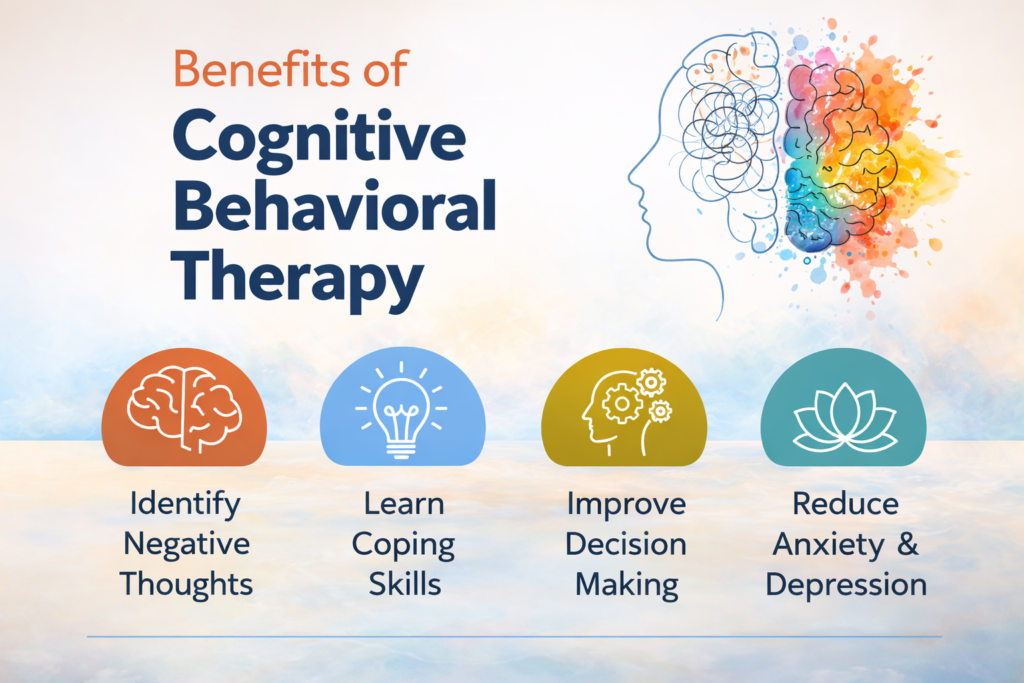
CBT offers several advantages for individuals dealing with anxiety and depression.
Practical and Goal-Oriented
CBT focuses on solving current problems. The therapy provides clear strategies that individuals can apply immediately.
Long-Term Coping Skills
CBT teaches skills that people can use throughout their lives. Once individuals learn how to manage negative thoughts, they can handle future challenges more effectively.
Improved Emotional Awareness
CBT helps people understand their emotions better. This awareness helps them respond calmly instead of reacting impulsively.
Better Decision Making
When negative thinking decreases, individuals can make clearer and more confident decisions in daily life.
Finding the Right CBT Therapist in Gurgaon & Delhi
Choosing a qualified therapist is an important step in the therapy journey.
Gurgaon and Delhi have many experienced mental health professionals who specialize in CBT.
Qualities to Look for in a Therapist
When searching for a CBT therapist, consider these factors:
- Professional training and certifications
- Experience treating anxiety and depression
- Good communication skills
- A supportive and respectful approach
Feeling comfortable with the therapist is essential for successful therapy.
Importance of Professional Mental Health Support
Self-help resources can be helpful. However, professional therapy provides personalized guidance.
A trained therapist can identify thought patterns that individuals may not notice themselves.
They can also provide structured techniques that lead to lasting improvement.
When Should You Consider CBT?
Many people wait too long before seeking help. They may believe their problems will disappear with time.
However, early support can prevent mental health issues from becoming more severe.
Signs You May Need CBT
You may benefit from CBT if you experience:
- Constant worry or anxiety
- Persistent sadness
- Negative thinking patterns
- Difficulty concentrating
- Low motivation
- Trouble sleeping
If these symptoms affect daily life, therapy can help.
Benefits of Early Treatment
Early treatment often leads to faster recovery.
Learning coping strategies early helps individuals handle stress more effectively.
CBT also builds emotional strength and resilience.
Frequently Asked Questions (FAQs)
What is Cognitive Behavioral Therapy?
Cognitive Behavioral Therapy is a form of psychotherapy that helps individuals identify negative thinking patterns and replace them with healthier thoughts.
How does CBT help anxiety and depression?
CBT helps individuals recognize harmful thoughts that create anxiety and depression. Therapists guide patients to replace these thoughts with balanced and positive thinking.
How long does CBT treatment take?
The length of CBT treatment varies. Many people attend weekly sessions for about 8 to 20 weeks, depending on their needs.
Is CBT effective for mental health treatment?
Yes. CBT is one of the most effective and widely researched therapies for treating anxiety, depression, and stress-related disorders.
Can CBT sessions be done online?
Yes. Many therapists offer online CBT sessions. This allows individuals to receive professional support from home.
When should someone seek CBT therapy?
People should consider CBT if they experience persistent anxiety, depression, or negative thoughts that affect their daily life.
Conclusion
Cognitive Behavioral Therapy is one of the most effective treatments for anxiety and depression. It helps individuals understand the connection between thoughts, emotions, and behavior.
By learning how to identify and change negative thinking patterns, people can improve their emotional well-being and overall quality of life.
CBT also provides practical skills that individuals can use long after therapy ends. These skills help manage stress, improve confidence, and build healthier thinking habits.
For people living in Gurgaon and Delhi, access to professional CBT therapists has made mental health support easier than ever.
Seeking help is a positive step toward a healthier and more balanced life.